Tuesday, April 8, 2025

Blog Post #5

Privacy Isn’t Dead—But It’s on Life Support


As a 20-year-old female college student who is from the West Coast, now living in the Southeast, these issues with digital privacy and online safety hit very close to home. As technology is such a vital part of our world, these issues are more real than ever—whether that's from the police tracking our license plates, our phones making us more vulnerable to surveillance, or the damage of revenge porn. There was one common theme that was made very clear: our privacy is constantly at risk, and the majority of people don't even realize how at risk we are.

Phone Surveillance

Christopher Soghoian’s talk about phone surveillance shocked me to find out how easy it is for the government and even foreign powers to be able to listen in on our phone calls, as he explained that it's all because of how phone networks are built. This hits very close to home for me, as I call home every day, whether that's FaceTime or phone calls with my mom and grandparents, some of which contain very personal information. So, to think that those conversations are being monitored without my knowledge is mind-boggling. Soghoian made it very clear in his speech that our phones are probably the most vulnerable point in digital security.

License Plate Readers

In Catherine Crump's talk, she mentioned that something as simple as driving around can lead to our movements being tracked without our knowledge. As the police can scan our license plates using ALPRs, which is a license plate reader, it made me think of all those times I’ve driven to work or to get groceries—those moments can be used to build a profile on me. Thinking that this goes for every citizen, that we are constantly being monitored with no clue it's happening, is unsettling. As a young woman in a different state, completely on my own, this is very unnerving. This shouldn’t be something we are doing to everyday citizens, as much as we should be using it for criminals who need to be arrested or illegal immigrants. But using this on people who are going to and from work just to support their families, or on young girls and guys who are just going to and from school—this shouldn’t be happening. It’s very unnerving to know that law enforcement does this.

Revenge Porn

Then there is Darieth Chisolm’s talk about revenge porn, which was eye-opening and heartbreaking as she was put in a horrible situation where she was taken advantage of during an intimate moment that she did not previously consent to, which almost ruined her life. It made me sad for all of the women who are put in so many tough situations that are humiliating and degrading. These issues affect everyone I know—from friends, family, to classmates. All of us live lives based on the internet. We use our phones to share photos by posting them, and we share our opinions, even though we sometimes don't think twice before sharing them online. But to think that someone could use very private images of me or the people I love to try and harm me is frightening. Things like revenge porn don’t just destroy the reputation of the victim; they can lead to so many other issues, like trauma, bullying, and sometimes legal battles that won’t get solved until multiple years later, when it’s sometimes too late. Chisolm’s talk just reminded me of how scary the internet can be for women, especially as we are more likely to be targets of this type of exploitation.

The Broader Impact

These issues affect me, my family, and friends, as most of us are on social media and are chronically on our phones. We post pictures, share our personal experiences, and make connections online without always thinking about what the consequences could be. I shouldn't have to be worried about being tracked, what I should say on a phone call, or be scared of what might happen every time I post a photo online. I believe the government should take a stronger stance on this to protect our privacy and safety as individuals. First, I think we should have better laws around revenge porn, with consequences for the perpetrators and more support for the victims. I also think ALPRs should have stricter regulations and boundaries, as I think people should be aware that their data is being stored or tracked. Additionally, tech companies should be held accountable for what they are doing with our data, meaning they should have better encryption and privacy policies in their systems by default.

Taking Action

Although this does not just fall on tech companies or the government, as individuals, we have to do our part as well and take control of what we can. This means using apps with end-to-end encryption, such as Signal or WhatsApp, which are apps that make it much harder for communication to be intercepted. We also need to be smarter with what we post and how we manage our privacy settings. We also need to make sure to bring awareness to the people we love and also younger generations about digital exposure, the risks that come with it, and how they can protect themselves from digital exposure and take steps to minimize this.

Conclusion

The reality of this all is that we cannot control every aspect of our online lives. But there are things we can do to be safer, smarter, and more aware of our privacy. Our digital lives are like a permanent tattoo; no matter how hard you try to get rid of it, you can't always get rid of every single part of it. So, we need to stay informed and be aware of what we put out online, as well as offer support to anyone who has faced a hardship due to their online presence. We need to protect our privacy not only for ourselves but for the generations to come after us, as privacy is a luxury, and we must do everything we can to protect it. As our privacy is not dead, it's just on life support!




Monday, April 7, 2025

Blog Post #4

How the iPhone Changed the World: Innovation, Impact, and Consequences

History

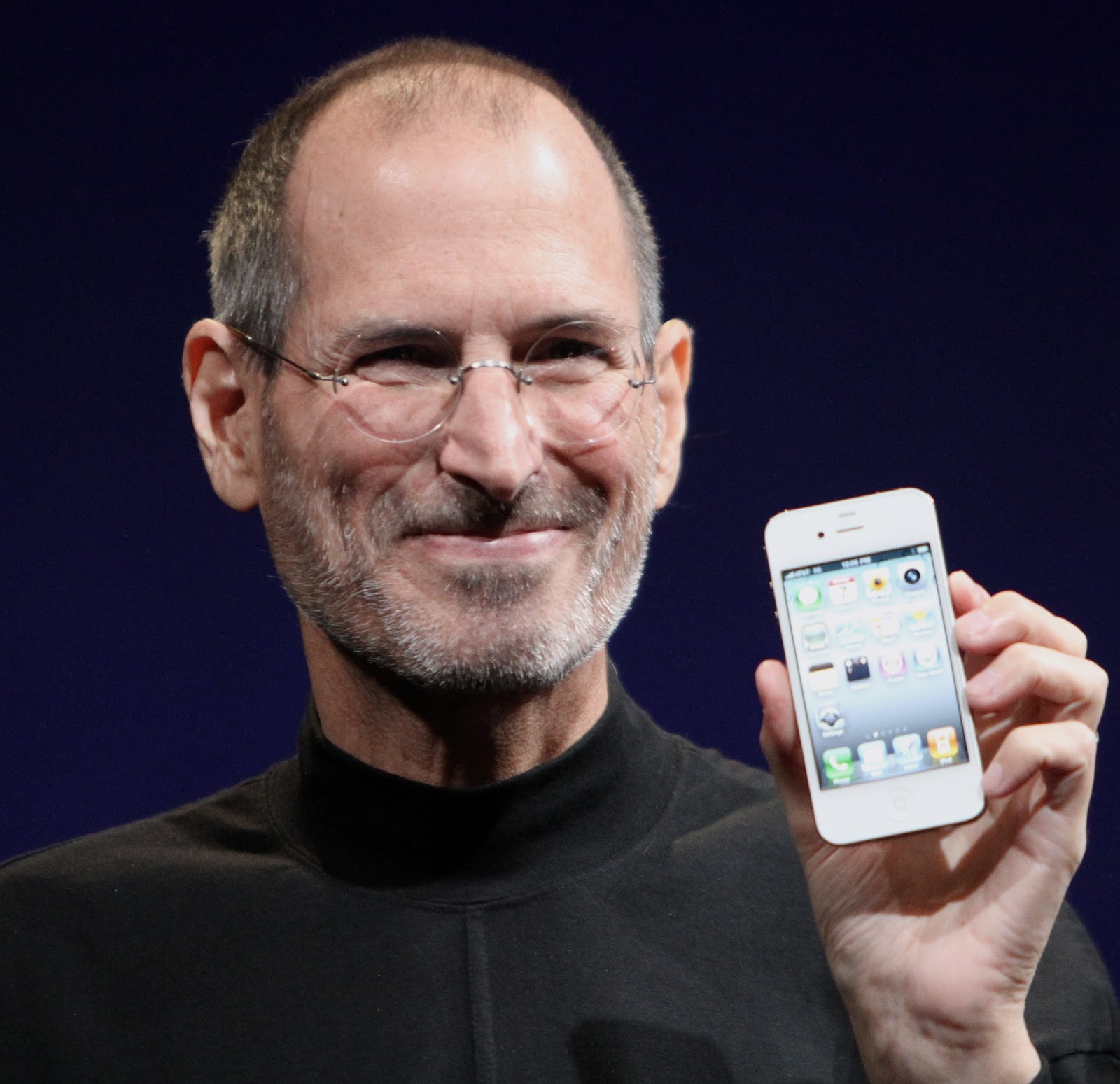
In 2007, Apple launched its first-ever iPhone, created by Steve Jobs. This was a moment that would change the course of mobile devices and how people communicate daily. The iPhone had features like a touchscreen, internet access, and integration with the iPod. The iPhone quickly grew into something much more than just a phone; it became a life tool and a necessity. Apple continued to innovate and grow each model of the iPhone over the years, which eventually introduced so many new, riveting features that truly changed modern society.


Almost one year after the release of the iPhone, the App Store was introduced along with 3G connectivity. This allowed users to download third-party apps and led to a massive opportunity for app developers, creators, and businesses as it laid a foundation for the app economy, which has since increased employment, especially for digital developers.

Impact

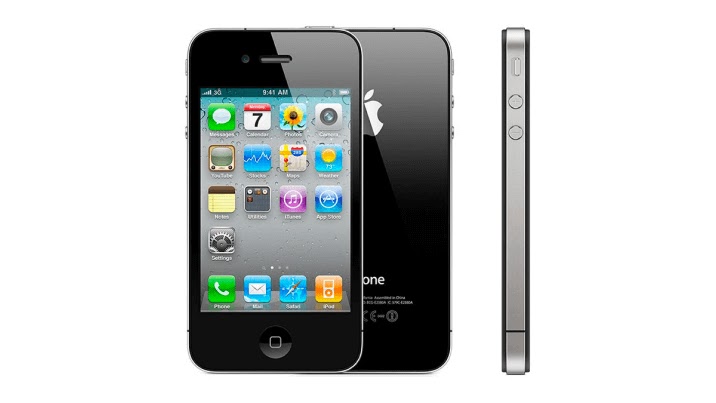
A couple of years later, in 2010, Apple released the iPhone 4, which introduced many new aspects, including FaceTime and the Retina Display. FaceTime truly revitalized the world of video communication, making it so much easier to keep in touch with loved ones by making it easier to access and much more personal for users around the world. Then, in 2017, the iPhone X was released, which featured groundbreaking technology, including face identification technology and the OLED display. These new features also enhanced necessary things such as security and screen quality while also showcasing the advancement of smartphone technology and how far it has come.

The iPhone slowly became a hub for a plethora of entertainment sources, some of which include podcasts, music videos, games, and so much more, all of which were at the tip of their fingertips. So when users would do everyday tasks such as work, school, chores, or going to the gym, they could always enjoy some form of entertainment at any point in time. Additionally, Apple has also made a strong effort to bridge the gap of digital access and technology across the world, as they want to make it so all populations have easy access to technology.

Negative Effects

However, iPhone, with all of its greatness, does have faults. For example, there have been concerns over the years about digital privacy and where users' data is going and how it is being used. Another example is that there are a variety of health concerns that come with the prolonged use of iPhones, some of which are eye strain, negative impacts on mental health, anxiety, social isolation, and poor sleep. Experts have raised a sense of caution towards iPhones as they can lead to digital addiction, especially in younger generations, as they can decline real-life interactions, making their sole focus what they see on a screen.

Conclusion

In conclusion, the iPhone has undoubtedly been a groundbreaking invention that has revolutionized our society as a whole. It brought things such as easy access to communication, entertainment, productivity, and so much more. With that being said, it has introduced a lot of issues in our society that will need to be addressed. Especially as smartphones and the world of technology grow and change, it’s always important to find a neutral ground with technology. As we choose to embrace it, we also need to be mindful of how it impacts us and the people around us.


Saturday, March 22, 2025

Blog Post #3

The Power of Free Speech in the Digital Age


The First Amendment is a huge part of our democracy, which helps protect our rights to speech and expression. Out of the eight values of free expression, there are three that resonate the most with me and what I feel is very present in today's society. Those three are Marketplace of Ideas, Check on Governmental Power, and Protect Dissent. I believe that these are the most prevalent in the world we are living in today, with social media being a very prominent part of society, especially in younger generations. I believe that these values are even more important now than they have been in the past.

Marketplace of Ideas

The Marketplace of Ideas is believing that different ideas are allowed to compete, but no matter how long this may take, the truth will inevitably win. With social media being a prominent source of communication, there are a lot of different ideas and opinions being shared on platforms such as Instagram, Facebook, and Twitter. Information is being spread around so much faster than it used to, and it sparks a lot of discussion and challenges on current events.

One example is during the pandemic, when there was a lot of false information being spread about the vaccine online. This was quickly shut down by experts who then came out with much more accurate facts. While misinformation will always be an issue in this world, specifically on social media, open discussions can help people learn and understand to gain a better understanding of where the truth lies.

With this being said, oftentimes, social media creates something called an echo chamber, which is essentially when the social media platform you are on drives the content you are seeing based on your specific beliefs and opinions, reinforcing them even more. With this being taken into account, it makes it much harder to be able to see or hear other people’s views on certain topics. Even though these challenges will remain, I think it’s important that free speech allows truth to emerge.


Keeping the Government Accountable

Checking government power is essentially the idea that free speech will allow corruption and wrongdoing to be exposed. Investigative journalism in the past has been a powerful tool in this situation and has helped uncover a plethora of major scandals, one example being Watergate . In today's world, social media helps hold our leaders accountable.

Another example is viral videos and citizen journalism—everyday people exposing violations of human rights worldwide via media, capturing something they saw, and choosing to record it to raise awareness of that particular issue. This is why platforms such as X, TikTok, and Instagram are all so important in this world because they give citizens worldwide a chance to use their voices in ways they never thought possible. Without social media, it would be extremely hard to hold the government accountable. Without that ability to challenge them, our democracy would see a drastic change for the worse.

The Right to Dissent

Protecting the right to dissent means making sure people can speak out against the government or the majority. The reason why this is so important is that it tends to lead to change for the better. A prime example of this topic is the Civil Rights Movement and how recent protests have gained a lot of traction because of people who chose to speak out.

If it weren’t for social media, a lot of these voices would not be heard. Therefore, it would be hard for movements to grow if the people behind them weren’t being heard. If people weren’t allowed to speak up and stand for what they believe in without the chance of being heard by the government, there would be so many things that would not have changed in this world, and a lot of important matters wouldn’t have even been discussed.

Final Thoughts

All of these values truly show why free speech is so important, but it’s also a good reminder that we need to hold ourselves accountable and do our duty as American citizens who have this right. With this being said, we have no excuse not to use our free speech to our advantage, as the digital world has made it so much more convenient for us to use our voices, stand up for what we believe in, and never stop learning about our country, rights, and opportunities we may have in this world.

Even with the hardships we may face along the way, as our world is not perfect and never will be, we can still do our part to make it better by not being afraid to challenge authority, support open discussions, and hold leaders accountable. The First Amendment is crucial and always has been, and now more than ever, people need to hear that free speech is so much more than a right—it’s something that is cherished and must be protected to keep our society balanced and informed.


Thursday, March 20, 2025

Blog Post #2


The US Supreme Court Reflection


The U.S. Supreme Court is a massive part of our justice system in the United States of America. I learned so much from watching these videos, and it also refreshed my memory on some things I already knew about the Supreme Court, such as that when a Supreme Court justice is chosen to serve, they serve for life unless they retire, resign, or get impeached. Currently, there are a total of 9 justices, with one chief justice and 8 associate justices, but this number has and will continue to change over time, as the number is set by Congress.

A Supreme Court justice goes through a lengthy process to be selected, and the first step is that a seat needs to be open that needs to be filled. The president will then select a nominee, normally someone who aligns well politically and is very experienced in law and judicial philosophy. The nominee is then put through multiple background checks and reviewed by the Senate Judiciary Committee. Afterward, the nominee will go through multiple confirmation hearings where the Senate will ask very specific questions such as legal views, past rulings, and philosophy. After all the hearings, the Senate will need a majority vote (51 out of 100) to either confirm the nominee or reject them.

Current Supreme Court Justices
These are some things that I already knew but got a refresher on, as I have always been very interested in politics and how the government works. I come from a family of lawyers and a mom who was a political science major in college, so it’s always been a point of interest for me ever since I was young. I would say what surprised me the most that I didn't know or think about is how difficult it is to overturn a Supreme Court decision. Once a ruling is made, it cannot be changed unless the Court later decides to overturn that specific case or unless a constitutional amendment is passed. This is one of the reasons why the Supreme Court justices have so much power and why so much thought goes into their decisions, as those decisions can last forever.

This is very interesting to me because my brain goes to the fact that Roe v. Wade, a decision made almost unanimously (7-2) in 1973, stated that a woman's right to have an abortion was protected under the 14th Amendment's right to privacy. Almost 50 years later, this was overturned with 5 justices voting to overturn and 4 voting not to. This was a very controversial topic, so thinking about how hard these 5 justices worked to overturn Roe v. Wade, especially since it’s not a constitutional right and many people tried to push Congress to act on this and override the Supreme Court, is mind-blowing.

As I think this is a very important takeaway, I believe that the most important thing to learn from these videos is that the Supreme Court doesn’t just decide on cases—it’s really about the Constitution and how it’s interpreted. Justices don’t get to just enforce a law because it’s what they want or believe, as they have rules. The Constitution acts almost as a rulebook for them, and they have to apply what it’s saying to issues that are currently going on in the world. This is important, as it shows that interpretation will always be evolving with our needs as a society. Also, the different opinions and beliefs of all of the justices and how they interpret the Constitution a major factors in how laws are enforced and understood.

Wednesday, March 12, 2025

Blog Post #1

Fox News 

Fox News is one of my go-to places where I can get breaking news, political updates, and an update on current events. One thing I appreciate about Fox News is its wide range of topics, some of which include national and international news, health updates, sports, lifestyle, and so much more. While Fox News is considered a more conservative viewpoint, I think it's important to have a complete understanding of a certain issue and to get your information from multiple news outlets, each with different opinions, so you can get other perspectives on this topic. I also like that Fox provides live coverage of major events in multiple different areas, such as sports economics and finance, or politics, they have something for everyone. Fox News is a very useful source and can help you stay informed.

X (Formerly Twitter)

X is probably my second favorite way to get news updates from. it allows me to follow and keep up to date with POTUS, DOGE, RFK Jr., and so many others. I enjoy X because of how quick and simple it is, as the posts are shorter and just basic highlights, which allows me to get a baseline knowledge of a specific topic without reading a very long and indirect news article. Another great feature is that people can comment or respond on posts and have full on discussions about the post and how they feel, making it very hands on, more than a traditional news source would be. It's also very convenient as it is very quick in how fast they put out information, so you don't have to wait hours for one long article; you can hop on X and have 100's of different posts, videos, and responses on the topic of your choice. X is a great place to get news and information from, I would highly recommend for you to check it out if you have the chance.

TikTok


While TikTok seems as though it is all for entertainment, it has slowly become one of my most used apps to get information from, as there are so many news outlets that post content on there, or educators, or just creators in general that use their platform to talk more about current events. It is very easy to pay attention because the videos are normally no more than five minutes long, making it easy to understand and focus on the information. I also love when people take the time to break big social issues down to make them easier for me to understand. It’s also a really good way to bring awareness to what is happening in our country and in other countries. It is a great form of engagement, especially for Gen Z and Gen Alpha, who tend to become more and more dependent on media and are often out of touch with the news and current events. So, if you like fun, casual, and informative news that's easy to follow along with, then TikTok is a great source.

Instagram 

Instagram is the perfect all-around app to get news and my personal favorite, as many media outlets and journalists use it to share new information. I follow pages like JD Vance, POTUS, Fox News, the White House, and many more. Instagram has a great variety of posts, whether that includes regular posts, story posts, or reels. The formatting of Instagram makes it very easy to follow and absorb information, and I enjoy that I can find all of the information I need very easily. I also like when certain influencers or pages, in general, post infographics and explainers on political and social issues. Instagram is an amazing option for an easy-to-use outlet to get information, especially if you want a balance of politics and entertainment in your feed.

YouTube 

YouTube is one of the best platforms for more in-depth news coverage. I like that YouTube has interviews, podcasts, documentaries, and so much more. I am not subscribed to many people on YouTube, but during all of the presidential debates, I would go back and watch those, and any big presidential speech or interview, I tend to go back and watch on YouTube, as I may not be able to watch what I want live. So, it's much easier knowing I won’t miss important information since it's already been put up on YouTube. It is also helpful when you want a deeper understanding of something, as it features longer videos, and it’s also helpful when you want to understand both sides of an issue. If you prefer to have a deeper awareness of certain issues, YouTube would be an amazing source for news and information.